Source Microfiber Leather for Furniture, Bags, and Shoes
Compare 30 listings of Microfiber Leather for Furniture and other applications like bags and shoes. Buyers can review thickness, features, and customization options from verified suppliers in China.
Key considerations
Products List


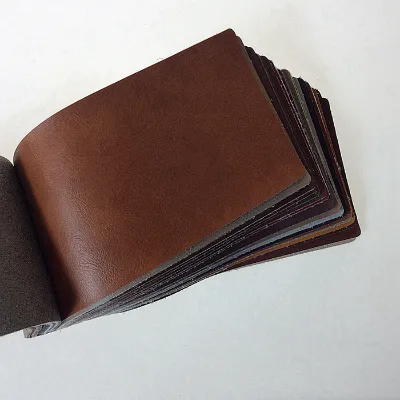


Furniture Leather Fabric Leather and Synthetic Leather Microfiber Material
$4.80 - $5.00
MOQ: 300 Meters


Leather Soft Comfortable Feel and Breathable Microfiber PU Leather for Sofa
$2.49 - $3.59
MOQ: 800 Meters


Waterproof Stain-Resistant Synthetic PU Microfiber Leather for Shoes Bags
$4.10 - $4.30
MOQ: 300 Meters


Durable Breathable Microfiber Leather for Furniture/Clothing (Custom Made)
$7.98 - $8.66
MOQ: 500 Meters
Comprehensive Sourcing Guide
Strategic Sourcing Guide for Microfiber Leather in Furniture Applications
Understanding Material Specifications and Technical Attributes
When sourcing Microfiber Leather for Furniture, buyers must first establish a clear understanding of the material's technical baseline. The core product category is defined by a synthetic composition, specifically utilizing PU (Polyurethane) as the primary binding agent, often enhanced with high-strength fiber technology. This combination creates a material that mimics the tactile and visual properties of genuine leather while offering superior durability for high-use environments. The physical structure is frequently described as having a staple fiber type, which contributes to the material's structural integrity and resistance to tearing.
Thickness is a critical specification that directly influences the furniture's comfort, durability, and cost. Market observations indicate that Microfiber Leather for Furniture typically falls within a thickness range of 0.8mm to 1.2mm, with some specialized variants reaching up to 2.0mm. Thinner sheets in the 0.8mm to 1.0mm range are often optimized for applications requiring flexibility, such as upholstery on curved surfaces or lightweight furniture components. Conversely, thicker options around 1.6mm to 2.0mm provide enhanced abrasion resistance and structural support, making them suitable for heavy-duty seating or commercial furniture. Buyers should verify the exact thickness tolerance with suppliers, as variations can affect the final drape and feel of the finished product.
The width of the material is another vital specification for yield optimization. Standard widths observed in the market include 54/55 inches, which is a common standard for garment and upholstery applications, allowing for efficient cutting patterns. However, some specialized rolls are available with a width of 1370mm (approximately 54 inches), ensuring compatibility with standard industrial cutting equipment. When evaluating suppliers, it is essential to confirm that the width matches the intended production line to minimize waste. The material is also available in various finishes, including plain, printed, embossed, and glitter patterns, allowing for diverse design aesthetics ranging from modern minimalist to ornate traditional styles.
Compliance, Certification, and Safety Verification
In the furniture industry, compliance and safety standards are non-negotiable, particularly for products intended for residential or commercial use. While specific certification names are not universally mandated across all regions, buyers must verify that the microfiber leather meets relevant chemical and safety regulations. The material is often marketed with features such as anti-mildew, anti-static, and heat-resistant properties, which are critical for maintaining hygiene and safety in indoor environments.
Buyers should request documentation regarding the chemical composition of the PU layer and the backing material. Key areas of verification include the absence of harmful substances like phthalates, heavy metals, and formaldehyde, which are often regulated in furniture materials. The "Dry Process Technology" mentioned in product attributes suggests a manufacturing method that may reduce solvent usage, but this should be confirmed with specific test reports. Additionally, the material's resistance to mildew is a significant advantage for furniture in humid climates, but this claim should be backed by standardized testing results rather than supplier assertions.
Certification checks should also extend to the supply chain's ethical and environmental practices. Although specific certification bodies are not listed in the general product data, buyers should inquire about compliance with international standards such as REACH in Europe or California Proposition 65 in the United States. The presence of a "Free Sample" option from suppliers is a valuable tool for conducting internal testing to verify these claims before committing to a bulk order. Ensuring that the material meets fire retardancy standards is also crucial, as many jurisdictions require furniture upholstery to pass specific flame tests.
Cost Drivers and Pricing Structure Analysis
The pricing of Microfiber Leather for Furniture is influenced by a complex interplay of material quality, production technology, and order volume. Observed market data indicates a wide price range, with unit costs varying from approximately $2.10 to $25.00 per unit. This significant variance is not arbitrary but reflects differences in thickness, finish complexity, and the level of customization required. Thinner materials in the 0.8mm range generally command lower prices, while thicker, more durable variants with specialized features like high-strength fibers or unique embossing patterns will be priced at the higher end of the spectrum.
Customization is a primary cost driver. The availability of custom colors, patterns, and finishes allows buyers to create unique product lines but adds to the production cost. Suppliers often offer a broad palette including Army Green, Beige, Black, Blue, Brown, Burgundy, and various shades of Gray, Pink, and Purple. However, requesting a specific custom color or a unique pattern like "Glitter" or "Embossed" may incur additional setup fees or minimum order quantity (MOQ) requirements. The MOQ itself is a critical factor, with observed ranges spanning from 1 unit to 1000 units. Lower MOQs are ideal for prototyping or small-batch production, while larger orders typically benefit from economies of scale, reducing the per-unit cost.
Packaging and logistics also contribute to the final cost. Products are shipped in various formats, including rolls, boxes, or combinations of nylon and plastic bags. The choice of packaging affects the protection of the material during transit and the efficiency of storage. For instance, packing with PE film or in rolls may be more cost-effective for large shipments, whereas box packaging might be preferred for smaller, high-value orders. Buyers should factor in these logistics costs when comparing quotes from different suppliers, as the base price of the material does not always reflect the total landed cost.
Typical Applications and Design Versatility
Microfiber leather is exceptionally versatile, making it a preferred choice for a wide array of furniture applications. Its primary use cases include car seats, home textiles, decorative elements, and general garment manufacturing. In the furniture sector, it is particularly valued for its ability to withstand high wear and tear while maintaining an aesthetic appeal similar to genuine leather. The material's usage extends to sofas, armchairs, office chairs, and dining chairs, where durability and comfort are paramount.
The specific applications often dictate the required material properties. For example, furniture intended for outdoor or semi-outdoor use benefits from the material's waterproof and anti-mildew features. The "Soft" and "Elastic" attributes of the microfiber leather ensure that it provides a comfortable seating experience, conforming to the body without losing its shape over time. The "Abrasion Resistant" quality is crucial for high-traffic areas, ensuring that the furniture retains its appearance even after years of use.
Beyond seating, the material is used in decorative applications such as headboards, wall paneling, and accent pieces. The availability of various patterns, including plain, printed, and glitter finishes, allows designers to create unique visual effects. The "Genuine Leather" hand feeling, as described in some product attributes, adds a premium touch to the furniture, enhancing its perceived value. Additionally, the material's compatibility with different thicknesses allows for layering and texturing techniques that can elevate the design of custom furniture pieces.
Supplier Evaluation and Quality Control Protocols
Selecting the right supplier is a critical step in the sourcing process. Buyers should evaluate potential partners based on their technical capabilities, production consistency, and quality control measures. The origin of the product, often listed as China, indicates a mature manufacturing ecosystem with a wide range of suppliers. However, the sheer number of options requires a rigorous vetting process to ensure quality.
Key evaluation criteria include the supplier's ability to provide samples for testing, their transparency regarding production standards, and their track record for on-time delivery. The "Free Sample" availability is a strong indicator of a supplier's confidence in their product quality. Buyers should test these samples for colorfastness, tensile strength, and resistance to abrasion and mildew. It is also important to verify the supplier's adherence to the stated specifications, such as thickness tolerances and width dimensions.
Quality control protocols should be established before placing a bulk order. This includes defining clear acceptance criteria for color matching, texture, and finish. Buyers should request a quality control plan that outlines the inspection stages, from raw material intake to final packaging. The use of standardized testing methods to verify features like "Anti-Pilling," "Anti-Distortion," and "Heat-Resistant" properties is essential. Additionally, suppliers should be able to provide documentation on their production processes, including the "Dry Process Technology" and the specific fiber types used.
Long-Term Procurement Considerations and Sustainability
Sourcing Microfiber Leather for Furniture is not just a one-time transaction but a long-term strategic decision. Buyers should consider the sustainability and lifecycle of the material. While the material offers durability and resistance to wear, the environmental impact of its production and disposal is a growing concern. The use of PU and the manufacturing process should be evaluated for their environmental footprint. Buyers should inquire about the recyclability of the material and the supplier's efforts to reduce waste and energy consumption during production.
Long-term procurement also involves building a reliable supply chain. Consistency in quality and delivery is crucial for maintaining brand reputation. Buyers should establish clear communication channels with suppliers to ensure that any changes in production or material availability are communicated promptly. The ability to customize orders and the flexibility of the supplier to accommodate changing market demands are also important factors.
Finally, buyers should consider the total cost of ownership, including maintenance and replacement costs. Microfiber leather's resistance to stains, mildew, and abrasion can reduce the need for frequent cleaning or replacement, offering long-term savings. However, the initial investment in high-quality material may be higher, so a balance must be struck between cost and performance. By carefully evaluating these factors, buyers can make informed decisions that align with their business goals and customer expectations.
Comparative Analysis of Material Options
To assist in decision-making, the following table compares key attributes of microfiber leather variants based on observed market data. This comparison highlights the differences in thickness, features, and typical applications to help buyers select the most suitable option for their specific needs.
| Attribute | Standard Variant | Heavy-Duty Variant | Decorative Variant |
|---|---|---|---|
| Thickness | 0.8~1.0mm | 1.6~2.0mm | 0.8~1.0mm |
| Width | 54/55" | 54/55" | 54/55" |
| Key Features | Soft, Waterproof, Anti-Mildew | High Strength, Abrasion Resistant | Glitter, Embossed, Glossy |
| Primary Use | General Upholstery, Bags | Commercial Furniture, Car Seats | Accent Pieces, Decorative |
| Packing | Rolls, PE Film | Rolls, Nylon Bag | Box, PE Film |
| Customization | Available | Available | Available |
This table illustrates that while the base material remains consistent, the specific attributes and applications vary significantly. Buyers should use this framework to align their material selection with the intended use case, ensuring that the chosen microfiber leather meets both functional and aesthetic requirements. By focusing on these technical details and maintaining a rigorous evaluation process, buyers can secure high-quality microfiber leather that enhances their furniture products and satisfies market demands.
FAQs
What thickness options are available for Microfiber Leather for Furniture?
Thickness typically ranges from 0.8mm to 1.2mm, with some specialized variants reaching up to 2.0mm. Thinner sheets around 0.8mm to 1.0mm offer flexibility for curved surfaces, while thicker options provide enhanced abrasion resistance for heavy-duty seating.
Which width specifications are standard for Microfiber Leather for Furniture?
Standard widths include 54/55 inches and 1370mm, ensuring compatibility with industrial cutting equipment. Buyers should verify exact width dimensions to minimize waste during the upholstery process and match their production line requirements.
Can buyers request custom colors for Microfiber Leather for Furniture?
Yes, customization is available for colors including Army Green, Black, Navy, and many other shades. However, specific custom requests may incur additional setup fees or require meeting minimum order quantity thresholds to proceed with production.
How does the material handle moisture and mildew in furniture applications?
The material features anti-mildew and waterproof properties, making it suitable for humid environments. These attributes help maintain hygiene and durability, though buyers should request standardized test reports to verify these claims before bulk ordering.
What packaging formats are used for shipping Microfiber Leather for Furniture?
Products are shipped in rolls, boxes, or combinations of nylon and plastic bags depending on the order. Packaging choices affect transit protection and storage efficiency, with PE film often used for large shipments to ensure material integrity.
Which features ensure durability for high-use furniture environments?
Key features include abrasion resistance, high strength fiber technology, and heat-resistant properties. These attributes allow the material to withstand wear and tear while maintaining a soft, genuine leather hand feeling for comfortable seating.
What is the typical price range for Microfiber Leather for Furniture?
Unit costs vary from approximately $2.10 to $25.00 based on thickness, finish complexity, and customization. Thinner materials generally cost less, while specialized variants with unique patterns or higher thickness command prices at the higher end of the spectrum.